Imagine these scenarios...


  • One of your employees has had an accident at work and hurt themselves
  • You've noticed that money is missing from the cash drawer
  • An "I want to file a formal complaint” email has landed in your inbox


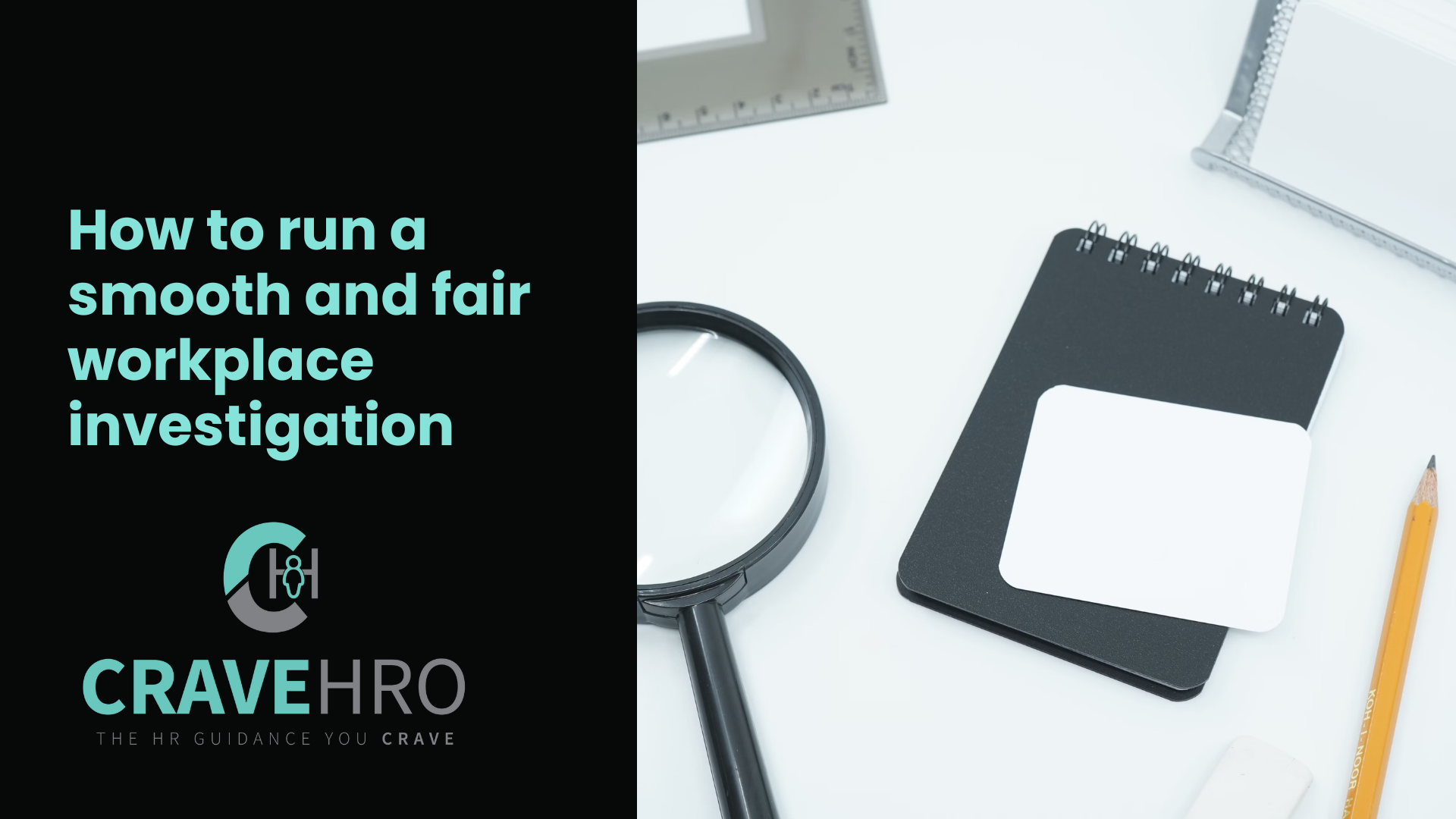
In situations like these, you need to complete a proper workplace investigation.


What exactly is a workplace investigation?


At its heart, an investigation is just a structured way to gather facts about what did or didn't happen.


It's not the same as a disciplinary process - it comes before that stage and helps you to figure out if any further action is needed.


Many business owners skip this key step or do it too casually, which can lead to:


  • Decisions based on incomplete information
  • Increased tension between team members
  • Potential claims of unfair treatment
  • Legal risks if proper procedures aren't followed


A 5-step approach to workplace investigations


1. Gather the facts and pick your investigator


The right investigator makes all the difference. Look for:


  • Someone neutral who wasn't mixed up in the situation
  • Someone with investigation know-how (or guided by someone who has it)
  • Someone patient who can stay objective


For smaller businesses, this might be someone from another team, a qualified HR professional, or an external consultant or attorney who brings a neutral perspective and understands US employment law.


2. Interview everyone involved


Good planning makes interviews go smoothly:


  • Jot down clear, open questions before you start
  • Keep your approach consistent with everyone
  • Take good notes or record the chat (with permission)
  • Let people bring a colleague for support if they want
  • Stay calm and non-judgmental, even when things get heated


Remember that people might be nervous or on edge. A friendly but professional approach helps you to get to the truth.


3. Review the evidence carefully


This is where your detective hat goes on:


  • Sort facts from opinions
  • Spot patterns and things that don't add up
  • Check what your company policies say
  • Think about the bigger picture
  • Weigh up how reliable different stories are


Take your time to build the full picture rather than rushing to conclusions.


4. Communicate the outcome clearly


Once you've figured things out:


  • Don't sit on the results for too long
  • Be straight about what happens next
  • Talk to people privately and kindly
  • Explain how you made your decision
  • Be ready for questions


How you share the news matters almost as much as what you're saying.


5. Keep records and check in afterwards


The job isn't done when you share the results:


  • Keep records of everything you did
  • Check in with everyone involved in the weeks after
  • Think about what might prevent similar issues
  • Take a fresh look at your policies - do they need tweaking?


Good notes protect your business and show that you've been fair and thorough.


It's also important to follow EEOC guidance and relevant state laws. Keeping accurate records and following a consistent process helps to protect your business from potential legal claims.


Making investigations less stressful


Investigations can be tough, but having a plan makes them less stressful for everyone:


  • Set realistic timelines and keep people in the loop
  • Keep things confidential - no gossip
  • Make sure everyone has support
  • Stick to the facts, not personalities
  • Remember that doing it right protects everyone


Even the messiest situations become doable with the right approach.


When you need extra support


If you're dealing with a tricky investigation or just want to make sure you're on the right track, an HR consultant can:


  • Walk you through the process step by step
  • Step in as a neutral investigator
  • Help you to talk to everyone involved
  • Take the weight off your shoulders
  • Make sure you're ticking all the legal boxes


If you're facing a situation that needs careful handling, we can guide you through it and take the pressure off.


Drop us a line for a confidential chat about how we can help.

By Nicole Craveiro February 16, 2026
In Denver, three businesses were fined over $8 million combined for getting their Form I-9 process wrong. ICE (Immigration and Customs Enforcement) found missing forms, late verifications and documents that didn’t meet requirements. The rules apply to every employer. Even a small business could face tens of thousands of dollars in fines for mistakes on just a few employees. In many cases, it comes down to one simple step that gets missed. I’ve written about what went wrong and how to get it right: ๐Ÿ“‹ The step that’s missed more often than you’d think โœ… What you actually need to do under US law ๐Ÿ›ก๏ธ How to set up I-9 checks that protect your business Read it below ๐Ÿ‘‡
By Nicole Craveiro February 9, 2026
What does proactive HR really mean for a small business? It’s about having simple systems in place before problems start. Our latest article shows how a proactive approach frees up your time, protects your business and lets you focus on growth. Read it here ๐Ÿ‘‡
By Nicole Craveiro February 4, 2026
When is the right time to suspend an employee? In our latest guide, we walk you through what suspension really means, when it is appropriate and how to handle it in a way that protects your business. Read it here ๐Ÿ‘‡
By Nicole Craveiro February 2, 2026
What happens when political or social debates spill into your workplace? You can’t control what people believe, but you can set clear expectations for how they act at work. The latest article shares practical steps for managing conflict over political and social views. Read it here ๐Ÿ‘‰
By Nicole Craveiro February 1, 2026
February’s HR update is here with practical guidance to help you to stay on top of people issues this month. โš–๏ธ What every employer needs to know before putting someone on leave ๐Ÿ“Š How to manage and reduce attendance issues in your business ๐Ÿ“… Smart February priorities to strengthen your team and avoid problems later โ“ Plus, your latest HR questions answered Read it below ๐Ÿ‘‡
By Nicole Craveiro January 26, 2026
What do you do if an employee raises a serious concern about wrongdoing in your business? That’s whistleblowing. It isn’t just another workplace complaint. It’s about reporting serious issues, like legal violations, fraud or safety risks, and employees are legally protected when they speak up. The latest article sets out a clear step-by-step process to follow if you receive a whistleblower complaint. Read it here ๐Ÿ‘‰
By Nicole Craveiro January 19, 2026
What do you do when a new hire isn’t working out during their introductory period? Handled well, an introductory period gives you a clear way to assess fit, support your employee and protect your business. Handled badly, you risk losing time, money and facing legal headaches. The latest article sets out a straightforward approach to managing introductory periods fairly and effectively. ๐Ÿ‘‰ Read it here.
By Nicole Craveiro January 12, 2026
What do you do when a client makes a complaint about one of your employees? It can be challenging to find the balance. Get it right and you’ll maintain the client relationship while treating your employee fairly. But, get it wrong, and you could risk losing the client and damaging team morale. The latest article tells you everything you need to know. Read it here ๐Ÿ‘‰
By Nicole Craveiro January 5, 2026
It’s a horrible feeling to suspect that someone in your team might be stealing from you. Missing inventory or cash that doesn’t add up could be signs of employee theft. Dealing with it early and fairly helps to protect both your business and your team. Read our step-by-step guide to handling this difficult situation in our latest article below. ๏ปฟ
By Nicole Craveiro January 3, 2026
Here’s your HR and employment checklist for 2026 ๐Ÿ‘‡ There’s a lot happening in the world of HR and employment regulations this year, so we’ve created our 2026 HR checklist to guide you on what to focus on. Read it below.